Textiles Workshops at Penland
Penland offers intensive workshops of varying lengths, taught by visiting instructors in our well-equipped studios. Class topics include tapestry weaving, sewing, knitting, quilting, surface design, natural dyes, shibori, basketry, and more. Workshops are open to serious students of all levels unless specified in course description; beginners welcome.
Register for Workshops
Apply for Scholarships
- Please read this note about our session schedules.
Textiles Spring Concentration
March 3 – April 26, 2024 (8 Weeks)
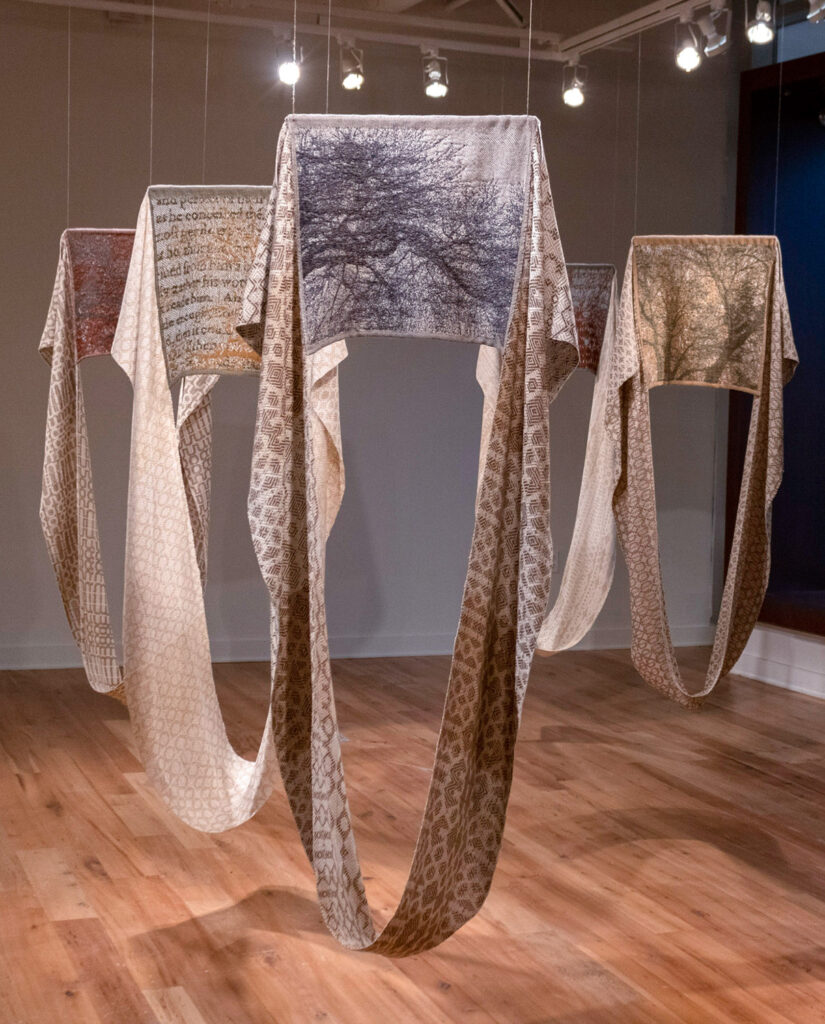
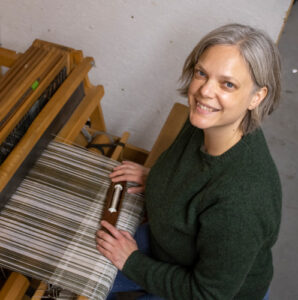
Andrea Donnelly
Weaving Alchemy
Delve deep into your personal artistic language through handwoven cloth and creating artwork with textile processes. After we cover basic weaving techniques we’ll be off to discover what magic we can make with the loom. We’ll experiment with nontraditional interventions such as unweaving and on-loom painting, explore the possibilities of immersion dyeing, and paint on thread and cloth. Off the loom, our woven cloth will become raw material as you learn to stabilize, layer, and assemble handwoven elements to create collage-style work. Come prepared to weave your booty off! All levels. Lower textiles studio. This workshop takes place in a second-floor walk-up studio that has partial access by a stair lift.
Studio artist; teaching: Virginia Commonwealth University; exhibitions: Reynolds Gallery (VA), 1708 Gallery (VA), North Carolina Museum of Art, Mint Museum (NC), Museum Rijswijk (Netherlands); collections: North Carolina Museum of Art, Virginia Museum of Fine Art, Capital One (VA), Dominion Energy (VA); representation: Reynolds Gallery (VA).
Textiles – Spring Short Session
April 28 – May 3, 2024 (4 studio days)
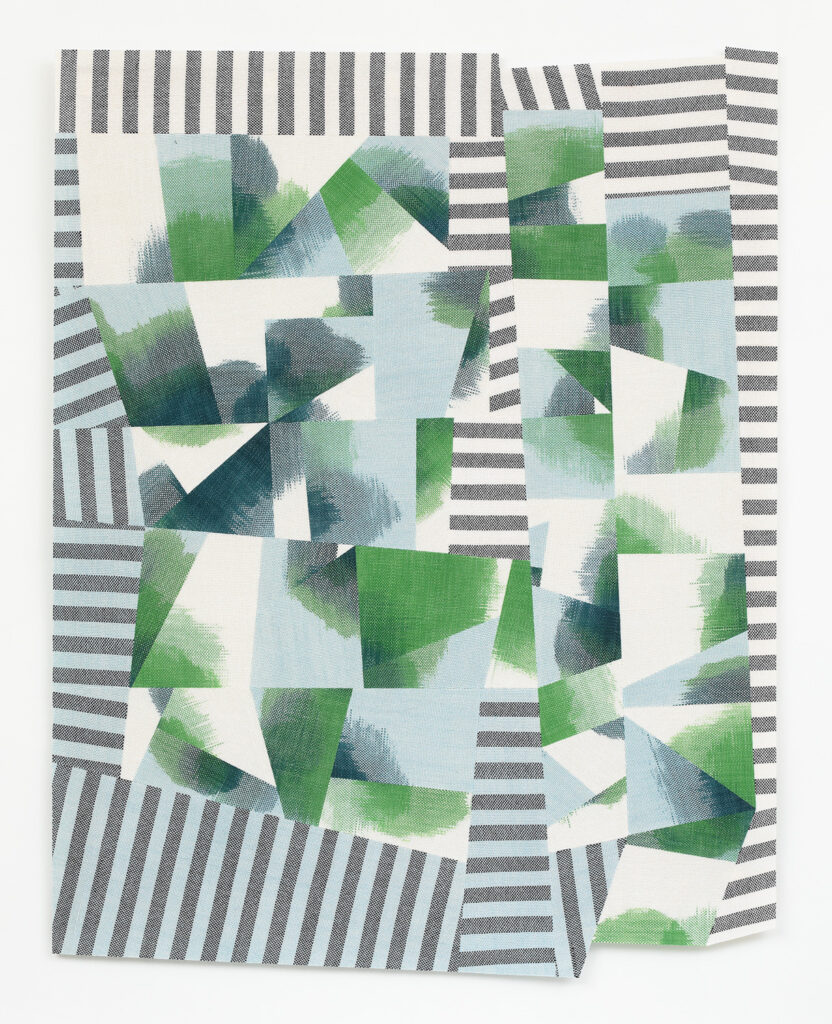
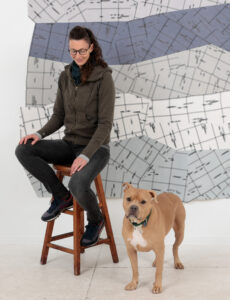
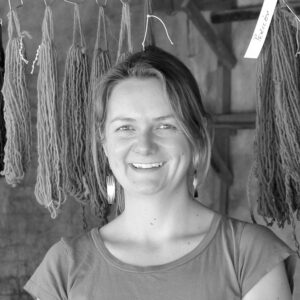
Martha Clippinger
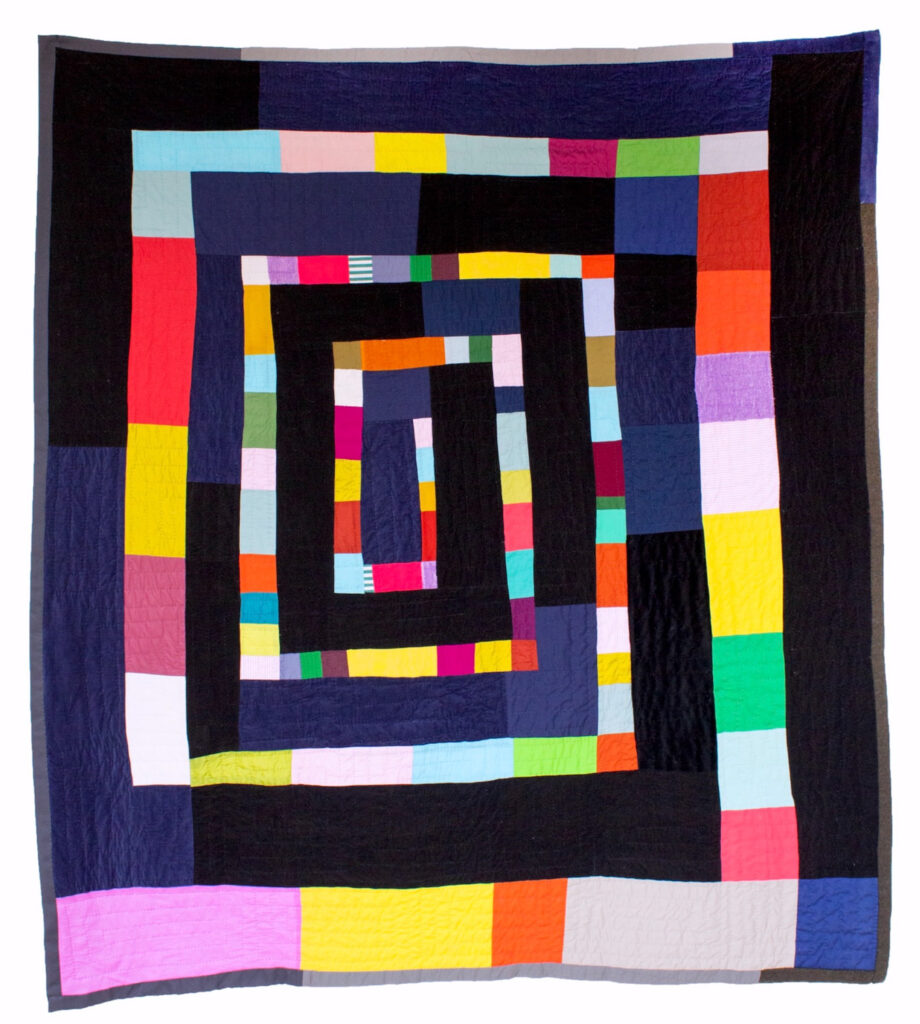
Intuitive Geometries
This quilting workshop will encourage students to use their intuition rather than planning and making a quilt with predetermined patterns and precise cutting. We’ll study our fabrics, noting their colors and textures, and consider potential arrangements. During the process of piecing, students will divide, add, split, shift, flip, and turn their compositions into new designs. The broken patterns and irregular symmetries of these intuitive geometries will produce quilts that are full of color, texture, and most of all, rhythm. Given the brevity of the session, students may want to create a wall hanging rather than a bed-sized quilt. All levels. Upper textiles studio. This workshop takes place in a third-floor walk-up studio that has partial access by a stair lift.
Studio artist; teaching: Penland, Duke University (NC), Drew University (NJ), Fordham University (NY); collections: Columbus Museum (GA), Nerman Museum of Contemporary Art (KS), Truist (NC); residencies/fellowships: Kohler Arts and Industry (WI), Fulbright (Mexico), MacDowell Colony (NH); representation: Elizabeth Harris Gallery (NYC), Hodges Taylor (NC).
TEXTILES – SUMMER SESSION 1
May 26-31, 2024 (4 STUDIO DAYS)
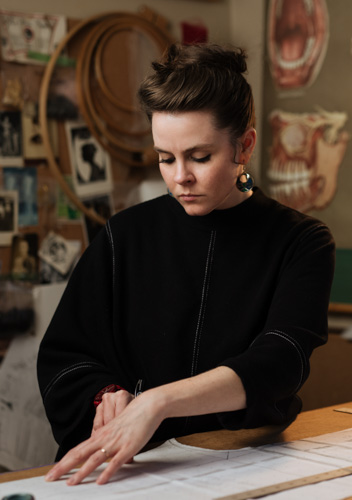
April Dauscha
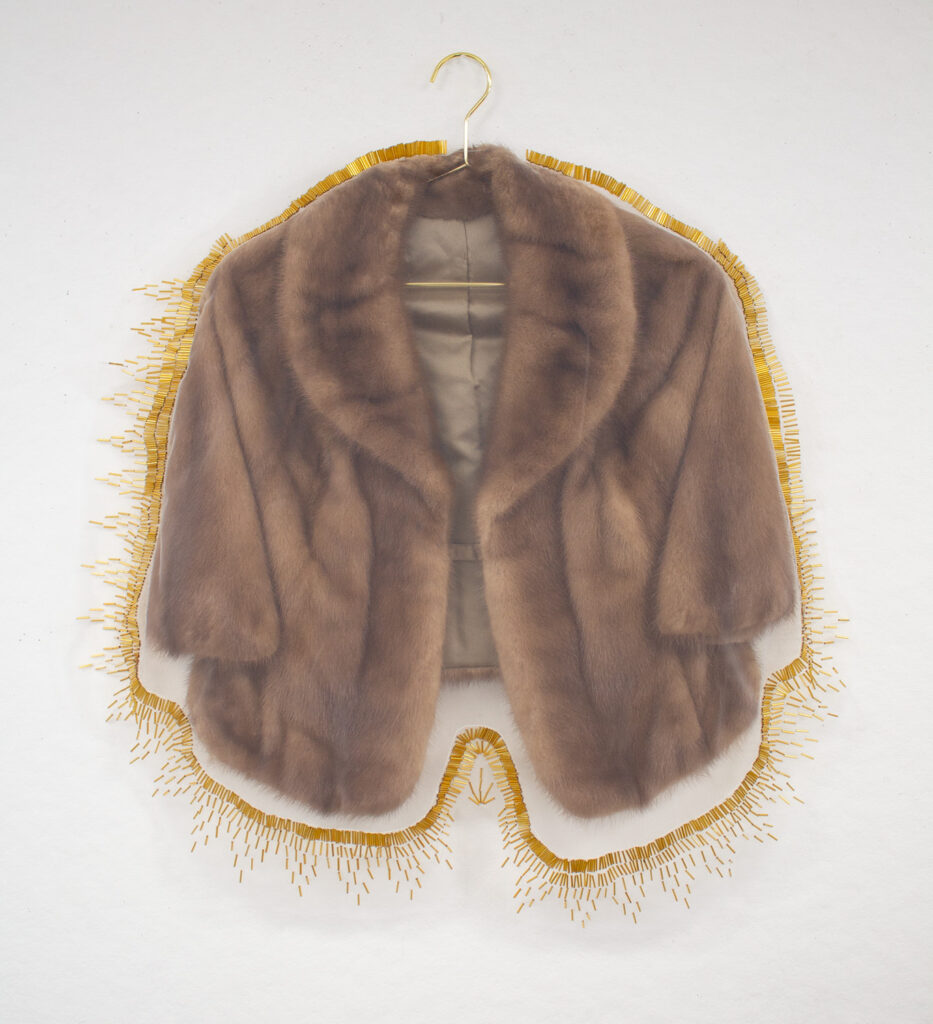
Relics and Reliquaries: Embellishing Objects of Meaning
Exploring the theme of personal relics, students in this workshop will use embellishment techniques on tulle to create a reliquary that will house an object of meaning.The goal of the workshop is for each student to create a series of technical samples and one finished piece. Samples will include embroidery, beading, and needle-run lace techniques on tulle. Students should bring a variety of personal objects to choose from.These might include garments, dishes, shoes, jewelry, photographs, hair, linens, notes, toys, flowers, etc. We will take inspiration from museum collections, work by fiber artists, personal shrines, rituals, and performances as we develop project concepts, ideas, and sketches. All levels. This workshop takes place in a third-floor walk-up studio that has partial access by a stair lift.
Head of the fiber program at Fine Arts Center, a performing and visual arts high school (SC); former board member for Surface Design Association; exhibitions: Fuller Craft Museum (MA), Tracey Morgan Gallery (NC), Mana Contemporary (NJ), and venues in Berlin, Cape Town, Jerusalem, and Belgrade; founding member of Tiger Strikes Asteroid Greenville (SC); representation: Page Bond Gallery (VA).
aprildauscha.com | @aprildauscha
January 15 – Regular enrollment opens
TEXTILES – SUMMER SESSION 1
May 26-31, 2024 (4 STUDIO DAYS)
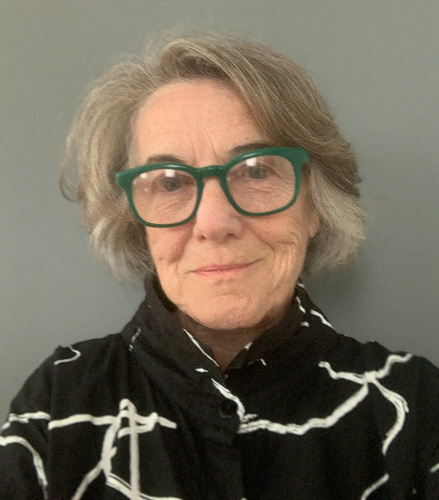
Lois Russell
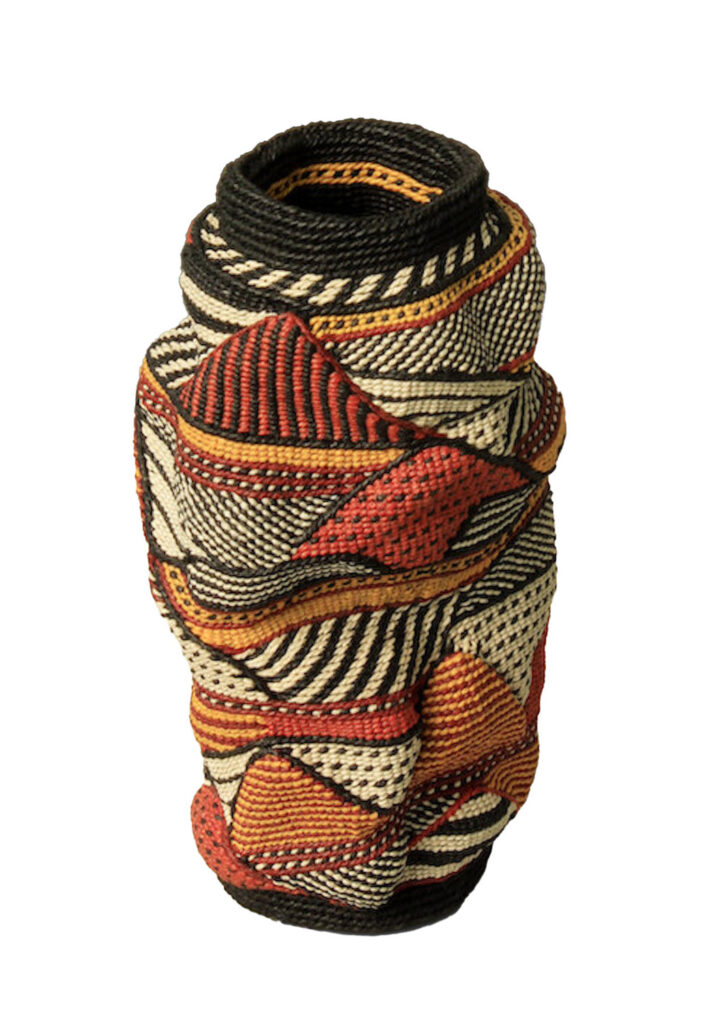
Twined Sculptural Basketry
In this workshop students will use the ancient technique of twining to make contemporary sculptural baskets. Using colorful waxed linen thread, we will begin with the basics and build skills by designing patterns in multiple colors. Students will also learn several options for bases, a simple braided rim, and techniques for making lids and double-walled baskets. There will be daily sessions to talk about new ideas and find solutions to design and construction questions, and we will discuss what makes a basket “contemporary.” Students will set their own pace and be encouraged to follow their own imaginations. All levels. This workshop takes place in a second-floor walk-up studio that has partial access by a stair lift.
Studio artist; teaching: Arrowmont (TN), Haystack (ME), North Country Studio Workshops (VT), National Basketry Organization; National Basketry Organization Lifetime Achievement Award; collections: Fuller Craft Museum (MA), Racine Art Museum (WI), Kamm Collection (KY); publications: 500 Baskets (Lark), Rooted, Revived, Reinvented: Basketry in America (exhibition and book).
loisrussell.com | @loiejane
January 15 – Regular enrollment opens
TEXTILES – SUMMER SESSION 2
June 2-14, 2024 (11 STUDIO DAYS)
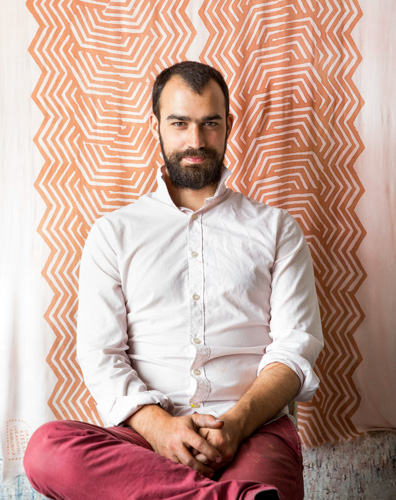
Graham Keegan
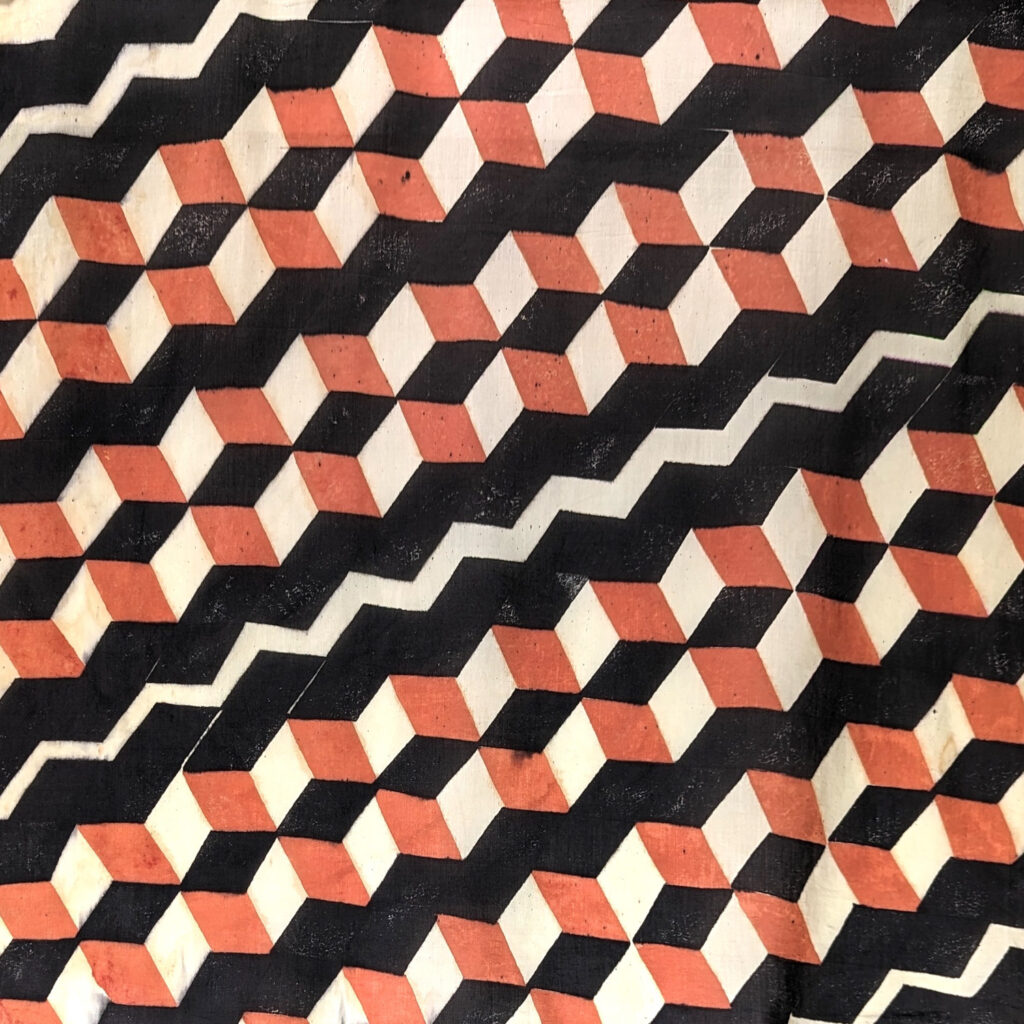
Natural Dyes: Intricate Endeavors
With our eyes cast toward the 19th century zenith of natural dye printmaking (chintz!, calico!, William Morris!), we will move from creating simple dots and stripes toward executing complex, multi-colored prints on natural fabrics. Focusing on fabric preparation, mordant blending, and immersion dyeing, we will use precise measurements to create print mediums and demystify chemistry concepts in service of creating an explosion of color tones from each plant dye. We will cover repeat pattern planning and use brushes, pens, and blocks to apply mordants. Students will deepen their skills and understanding of how to conjure keystone colors and every tone in between. Come explore the prismatic potential of natural dyes. All levels. This workshop takes place in a third-floor walk-up studio that has partial access by a stair lift.
Textile designer working exclusively with natural dyes; teaching: Natural Dyes Workshop (Los Angeles), Marshfield School of Weaving (VT), Campbell Folk School (NC), Penland; prints used by boutique designers and international brands for garments, home goods, accessories, and wallpapers.
grahamkeegan.com | @yesgraham
January 15 – Regular enrollment opens
TEXTILES – SUMMER SESSION 2
June 2-14, 2024 (11 STUDIO DAYS)
Gabe Duggan
Sculptural Fibers
Building from traditions in weaving and off-loom processes, this workshop will explore unexpected approaches to fiber work. We will seek broader definitions of traditional techniques by re-situating media, technology, and approach, and through fundamental dynamics such as unification through tension and balance. Unconventional media will be welcomed and troubleshot collaboratively; we will consider implications of labor, gender, race, and class; space will be approached intuitively and calculatingly, invasively and non-invasively. Specific techniques covered could include 2-8 harness weaving, handspinning, felting, net/lacemaking, knitting, crocheting, stiffeners, etc. All levels. This workshop takes place in a second-floor walk-up studio that has partial access by a stair lift.
Associate Professor at East Carolina University (NC); other teaching: University of North Texas, Georgia State University; residencies: Sculpture Space Inc. (NY), Fish Factory (Stöðvarfjörður, IS), Praxis Fiber Workshop (OH), Cooler Ranch (NY), Musk Ox Farm (AK), Rob Dunn Lab at North Carolina State University; Juror’s Prize at Art on the Trails (MA); exhibitions: SECCA (NC), Flanders, Lump, and Anchorlight (NC), Garis & Hahn (NY).
gabrielleduggan.com | @gabeduggan
January 15 – Regular enrollment opens
TEXTILES – SUMMER SESSION 3
June 16-28, 2024 (11 STUDIO DAYS)
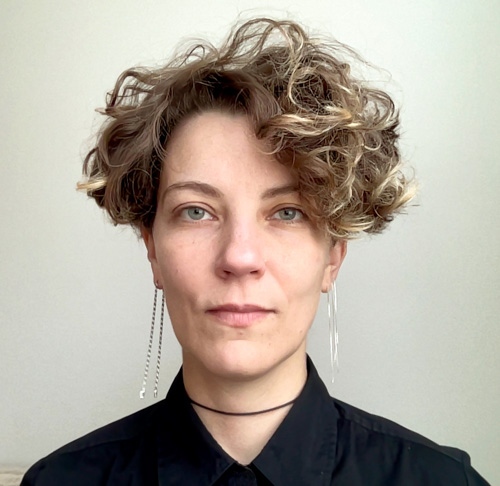
Libby O’Bryan and Jonnie Rettele
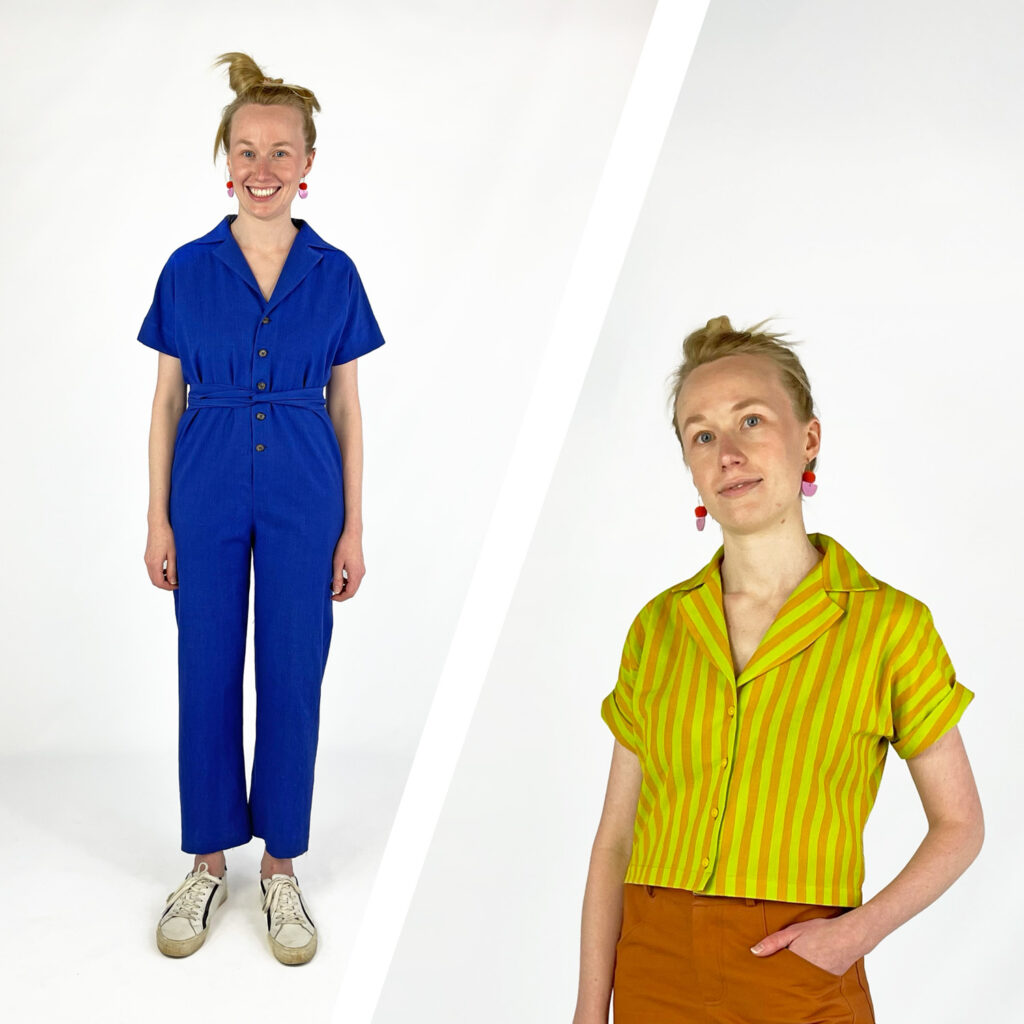
Capsule Wardrobe Design/Build
Learn to build pieces of your dream wardrobe using the on-trend patterns from our company, Open Studio. Sewing and pattern-making techniques will build your skills in construction and fit, while a dialogue around labor, craft, and consumption will fuel your home sewing practice. We will start by making a class “uniform” that offers several variations. Then we will shift into a more independent direction, teaching how to hack Open Studio patterns to make garments just for you. We will help you discover your personal style through the most sustainable fashion choice—making your own clothes! All levels. This workshop takes place in a third-floor walk-up studio that has partial access by a stair lift.
Libby: owner and founder of the industrial sewing factory and design studio Sew Co and the clothing brand Rite of Passage; co-founder of Open Studio Patterns; exhibitions: Chicago Cultural Center, Knoxville Museum of Art, Southeastern Center for Contemporary Art (NC), Center for Craft (NC).
wcsewco.com | @sew_co | riteofpassageclothing.com | @riteofpassageclothing
Jonnie: independent designer who began by producing her own menswear clothing line for the contemporary fashion market in 2009 then expanded into naturally-dyed quilts and interior soft goods for custom clients and large retailers; co-founder of Open Studio Patterns with industry peers Libby O’Bryan and Leigh Hilbert to empower home sewists to make their own clothing.
openstudiopatterns.com | @openstudiopatterns
January 15 – Regular enrollment opens
TEXTILES – SUMMER SESSION 3
June 16-28, 2024 (11 STUDIO DAYS)
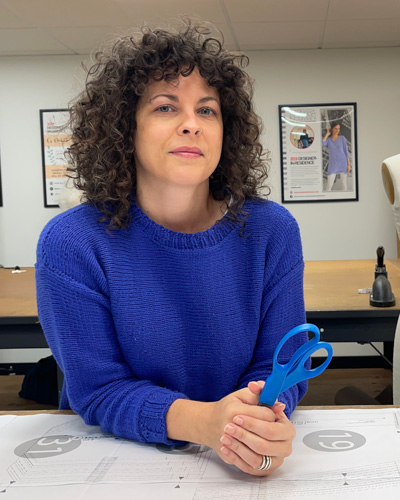
Rachel Meginnes
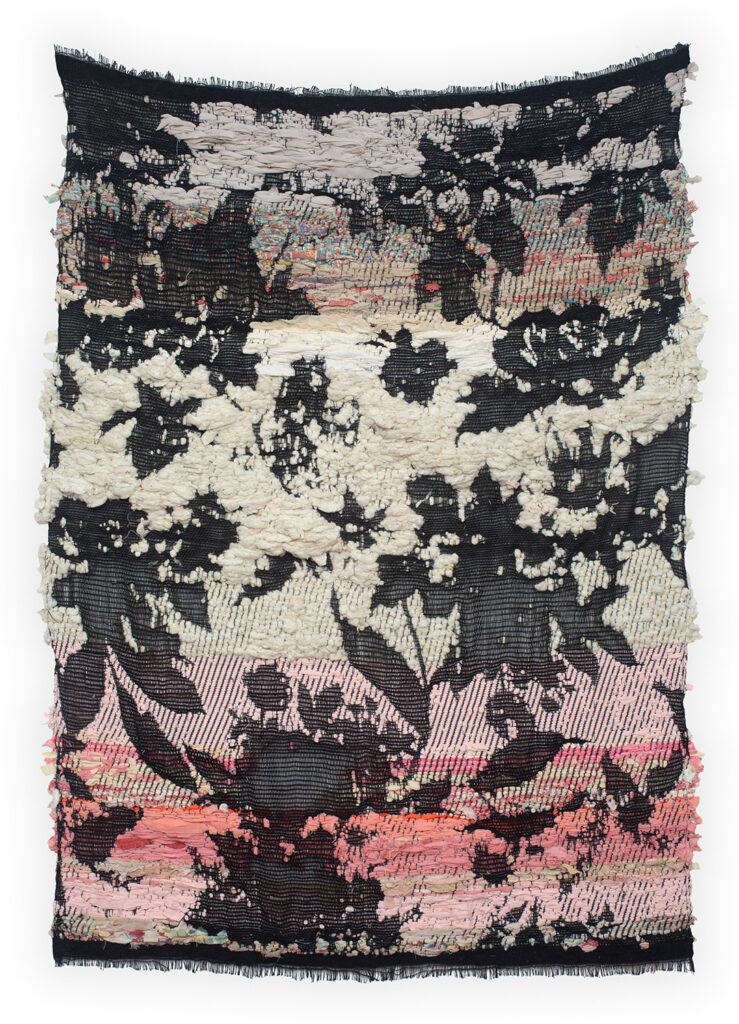
Rag Weaving and Material Meaning
Part concept-based, part technique-based, this workshop will layer the fundamentals of weaving on a loom with the deeper meaning materials hold. Taking a no-holds-barred approach, we will work with found materials such as paper, fabric, flora and more, and learn to ready these materials for weaving on a floor loom. We will discuss the way meaning embeds itself in material and explore how the act of collecting and reclaiming can embolden one’s work. Students should bring a collection of materials (old clothes, fabric, ephemera) as well as digital imagery they might like to play with. They can expect to leave with exploratory studies, finished weavings, and knowledge of how to warp and weave basic structures on a 4-harness loom. All levels. This workshop takes place in a second-floor walk-up studio that has partial access by a stair lift.
Studio artist, creative coach; teaching: Earlham College (IN), MAIWA School of Textiles (British Columbia), Haystack (ME), Arrowmont (TN), Penland; residencies: Penland School Resident Artist Program, Jentel Foundation (WY); collections: Art in Embassies Collection (Amman, Jordan), Cameron Art Museum (NC), University of Arkansas at Little Rock; representation: Tracey Morgan Gallery (NC), Hodges Taylor (NC).
rachelmeginnes.com | @rachelmeginnes
January 15 – Regular enrollment opens
PHOTO/MIXED MEDIA – SUMMER SESSION 4
June 30-July 12, 2024 (11 STUDIO DAYS)
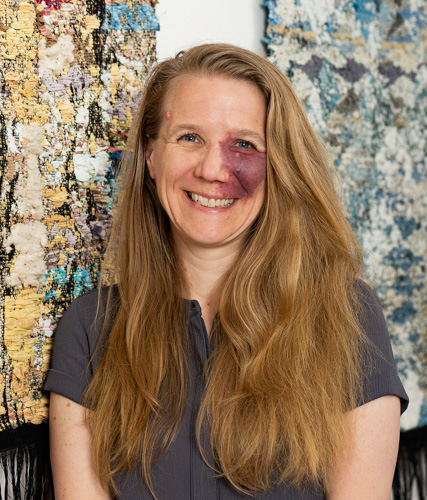
Sally Van Gorder
Photographing Your Work: Documentation for Artists
Photographic records are essential to every art practice. They can describe a work, provide an exhibition view, supply installation instructions, ensure accurate color for print reproduction, or communicate the character of a practice.They can also express an aesthetic and convey a narrative. This workshop considers the many contexts in which these images are made and used. We will work digitally and explore the technical requirements for quality pictures. Demonstrations will cover camera control, natural and artificial lighting, and post-production workflows, including color correction, retouching, file output, and storage. We will cover everything you need to get the best images of your work from the conditions and equipment you’re working with, whether you have a DSLR, mirrorless camera, or cell phone. This workshop is for any art/craft practitioner wanting to photograph their work. All levels. Photography studio.
Professor at North Carolina State University; other teaching: Virginia Commonwealth University (Qatar), Oregon College of Art and Craft, Pacific Northwest College of Art (OR); residencies: Brightwork Fellow at Anchorlight (NC); exhibitions: North Carolina Museum of Art, Southeastern Center for Contemporary Art (NC), Contemporary Art Museum (NC).
sallyvangorder.com | @sallyvangorder
January 15 – Regular enrollment opens
TEXTILES – SUMMER SESSION 4
June 30-July 12, 2024 (11 STUDIO DAYS)
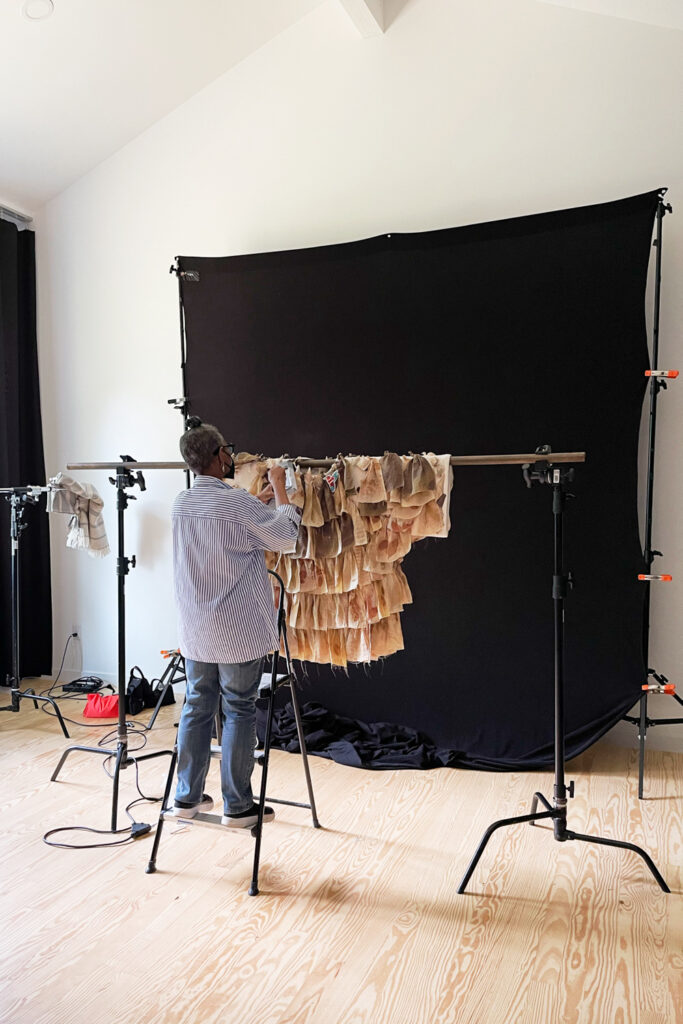
Natalie Stopka
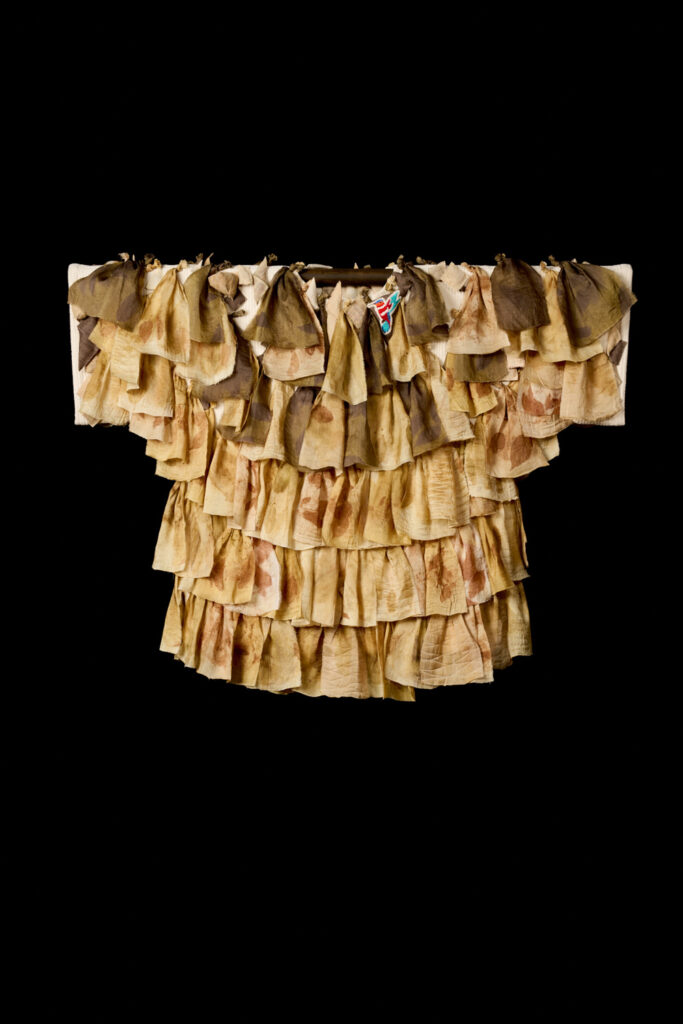
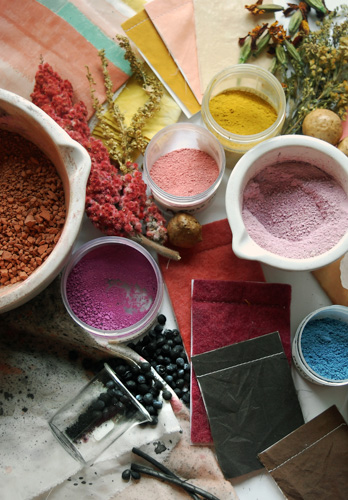
Rooted: Dyes and Pigments from Nature
Artwork is made manifest through material choices. This workshop will explore botanical, insect, and earth colors for applications on fabric, including dyes, indigo, and lake pigments. These rich and subtle colors require thoughtful gathering and careful processing, rooting our practice in a conversation with the natural world. Each student will create a swatch library of dyes, then learn to transform dye into lake pigment. We will share a plant and pigment foraging walk, process pigments, and explore painterly applications with soy on fabric. We will create “portraits” of our plant collaborators and focus on the roles of mordants and binders for lightfastness and washfastness. Students will leave with pigment samples and the technical know-how needed to fold them into their own studio practice. All levels. This workshop takes place in a third-floor walk-up studio that has partial access by a stair lift.
Studio artist, educator; visiting lecturer: Pratt Institute (NYC), Rutgers University (NJ), Hartford Art School (CT); workshop instructor: Arrowmont (TN), Aya Fiber Studio (FL), Peters Valley (NJ), Snow Farm (MA), Textile Arts Center (NYC), Wave Hill (NYC), Women’s Studio Workshop (NY).
nataliestopka.com | @nataliestopka
January 15 – Regular enrollment opens
TEXTILES – SUMMER SESSION 4
June 30-July 12, 2024 (11 STUDIO DAYS)
Amy Putansu
Ondulé: Weaving Waves
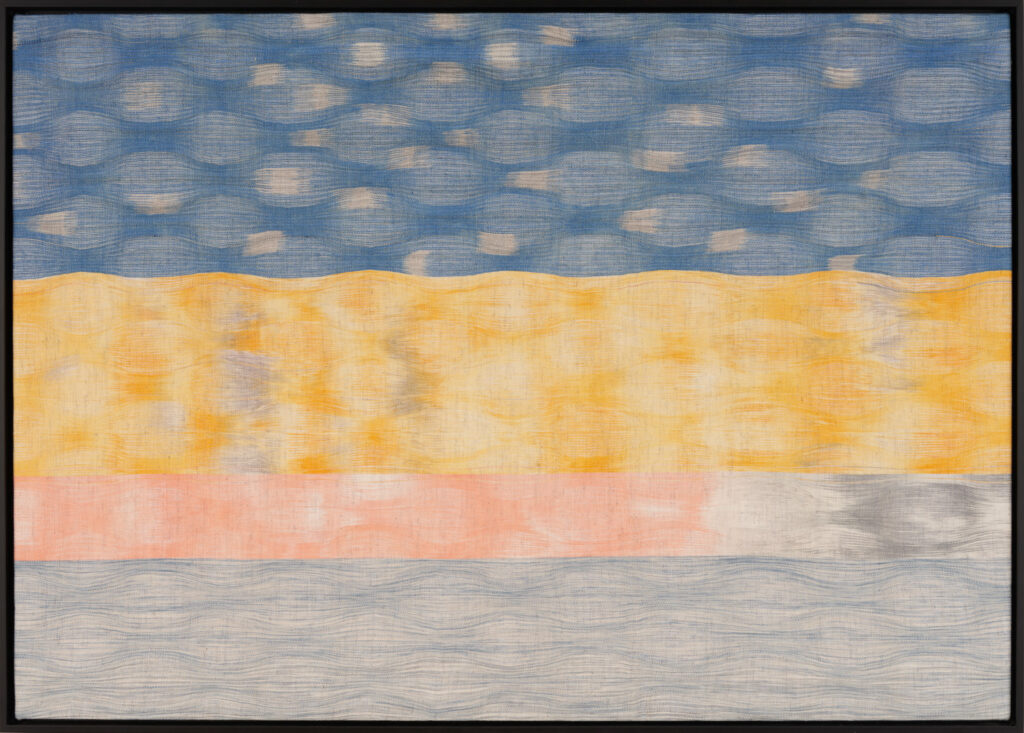
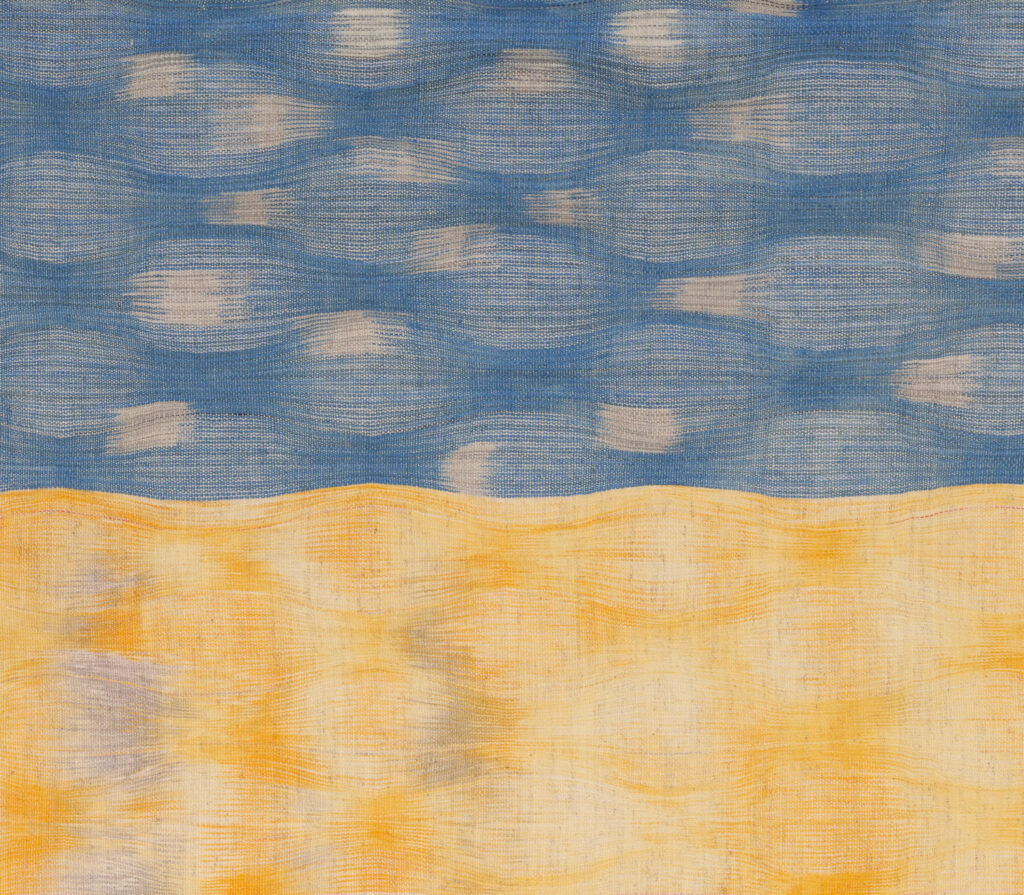
Warp ondulé is a weaving technique that requires special tools and methods for managing the floor loom. This workshop is an introduction to maneuvering woven threads into sinuous, waving pathways throughout the interlacement. Students will work with a variety of fibers while exploring structures and techniques that emphasize the unique qualities of ondulé weaving. We will produce a selection of samples through a round-robin series. Demonstrations will include resist dyeing, warp painting, various weave structures (including twills and overshot), inlay, and the use of supplemental threads. Students will finish by planning and producing a small ondulé piece. Intermediate level: students should be skilled at independently dressing a floor loom. This workshop takes place in a second-floor walk-up studio that has partial access by a stair lift.
Full-time faculty at Haywood Community College Professional Crafts Program (NC); collections: Renwick Gallery (DC), China National Silk Museum, Kyoto International Community House (Japan); representation: Blue Spiral 1 (NC), Sager Reeves Gallery (MO), Penland Gallery.
putansutextiles.com| @putansutextiles
January 15 – Regular enrollment opens
TEXTILES – SUMMER SESSION 5
July 14-26, 2024 (11 STUDIO DAYS)
Natalie Chanin
Creative Explorations in Textiles
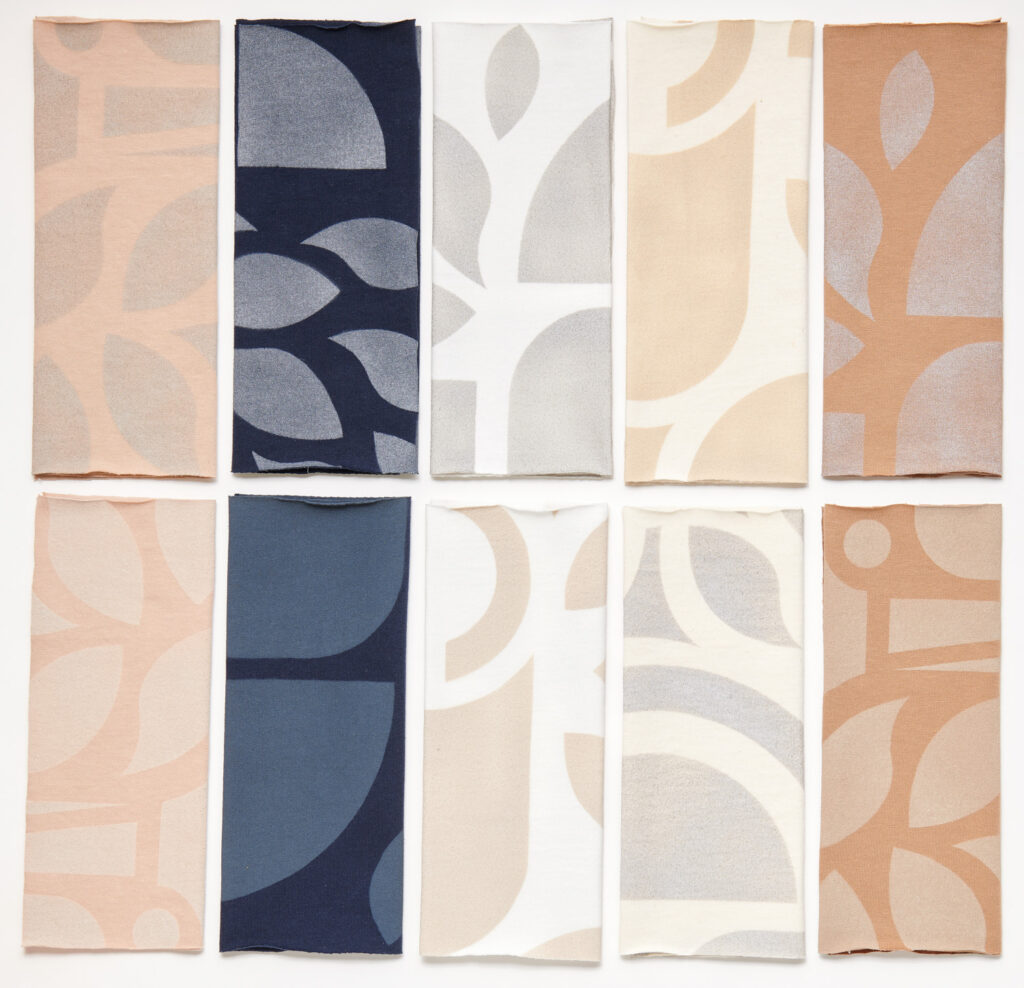
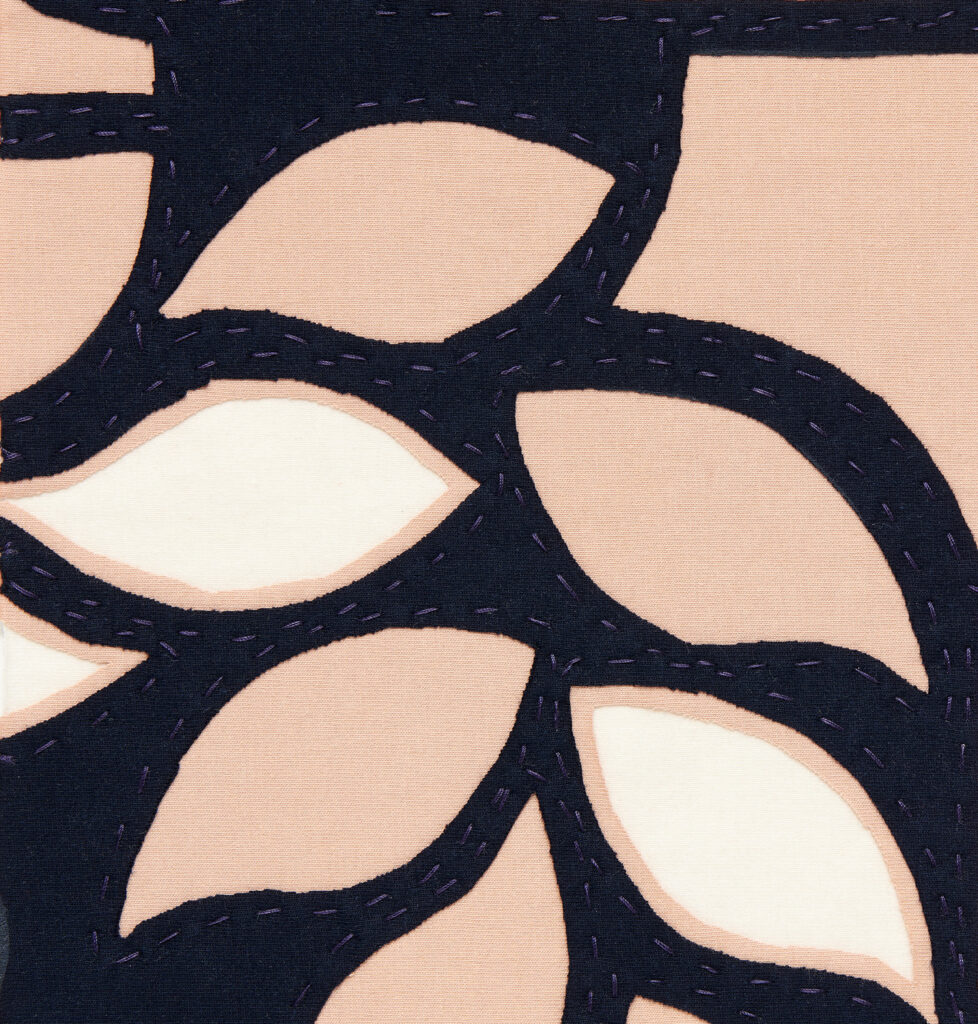
This workshop will focus on fabric manipulation through embroidery, stenciling, patterning, and coloration. Students will learn to hand sew using artisan-inspired techniques, including appliqué and a variety of thread and embroidery work in contemporary embellishment methods. Using organic cotton jersey, we will explore inspiration, color, layout, and the creative process for fabric designs. Class members will complete sample blocks that can be used as references for larger projects or pieced together to create a range of products. Please note that this class will not focus on garment construction but on creative process and exploration. All levels. This workshop takes place in a third-floor walk-up studio that has partial access by a stair lift.
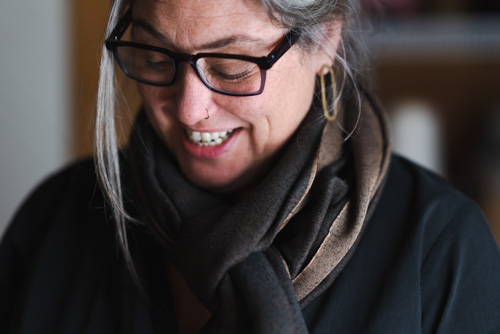
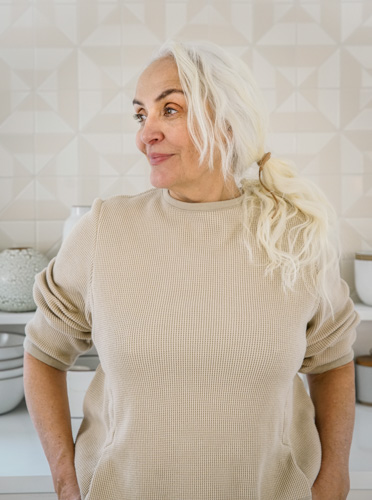
Founder and creative director of Alabama Chanin (AL), Project Threadways (AL), and School of Making (AL); author of six books, most recently Embroidery: Threads and Stories.
alabamachanin.com | @alabamachaninlife
January 15 – Regular enrollment opens
TEXTILES – SUMMER SESSION 5
July 14-26, 2024 (11 STUDIO DAYS)
Samantha Bittman
The Woven Pattern
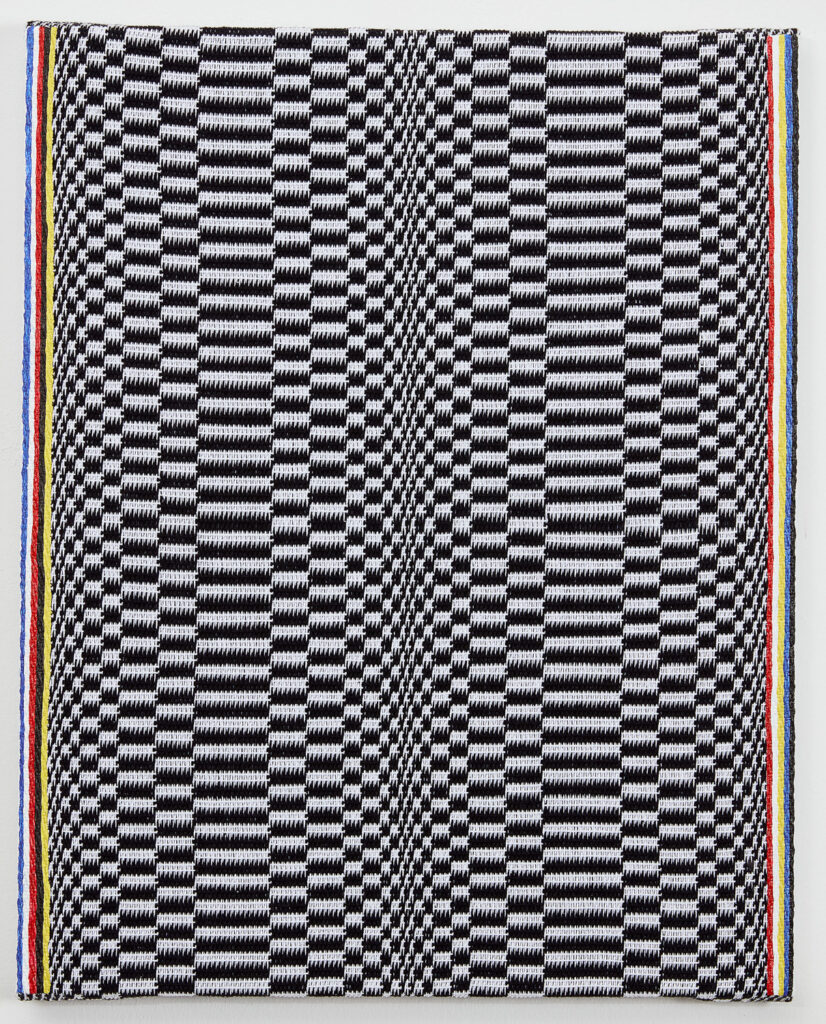
Students in this workshop will explore hand-weaving with a focus on pattern and creating weave drafts. We will begin with the basics of drafting using pencil and paper and then use these drafts to set up looms and weave. Woven patterns will be expanded through experimentation with different treadling sequences, tie-ups, improvisation, and color. As the workshop progresses, we will work with computer software that will function as a gateway to understanding how to read and manipulate patterns from drafting books. Beginning students will learn to wind their warps and set up their looms from scratch. More experienced weavers will have an opportunity for in-depth investigation of weave structures and the option of weaving on an 8-harness loom. All levels. This workshop takes place in a second-floor walk-up studio that has partial access by a stair lift.
NOTE: Students in this workshop should bring a laptop computer if they can. If you are enrolled and cannot bring a computer, please contact Nadia Massoud at studio_operations@penland.org.
Studio artist, founder of Catskill Weaving School (NY); teaching: Rhode Island School of Design, School of the Art Institute of Chicago, Haystack (ME), Ox-Bow (MI); residencies: Josef and Anni Albers Foundation (CT), Sharpe-Walentas Studio Program (NYC), Skowhegan (ME); recent solo exhibitions: Ronchini (London), Andrew Rafacz (Chicago), Morgan Lehman (NYC), Greenpoint Terminal Gallery (NYC).
samanthabittman.com | @samantha_bittman
January 15 – Regular enrollment opens
TEXTILES – SUMMER SESSION 6
July 28-August 9, 2024 (11 STUDIO DAYS)
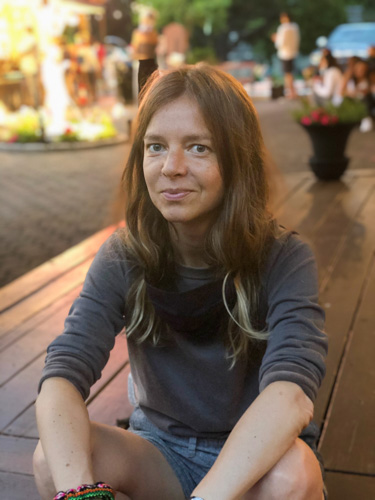
Lucille Junkere
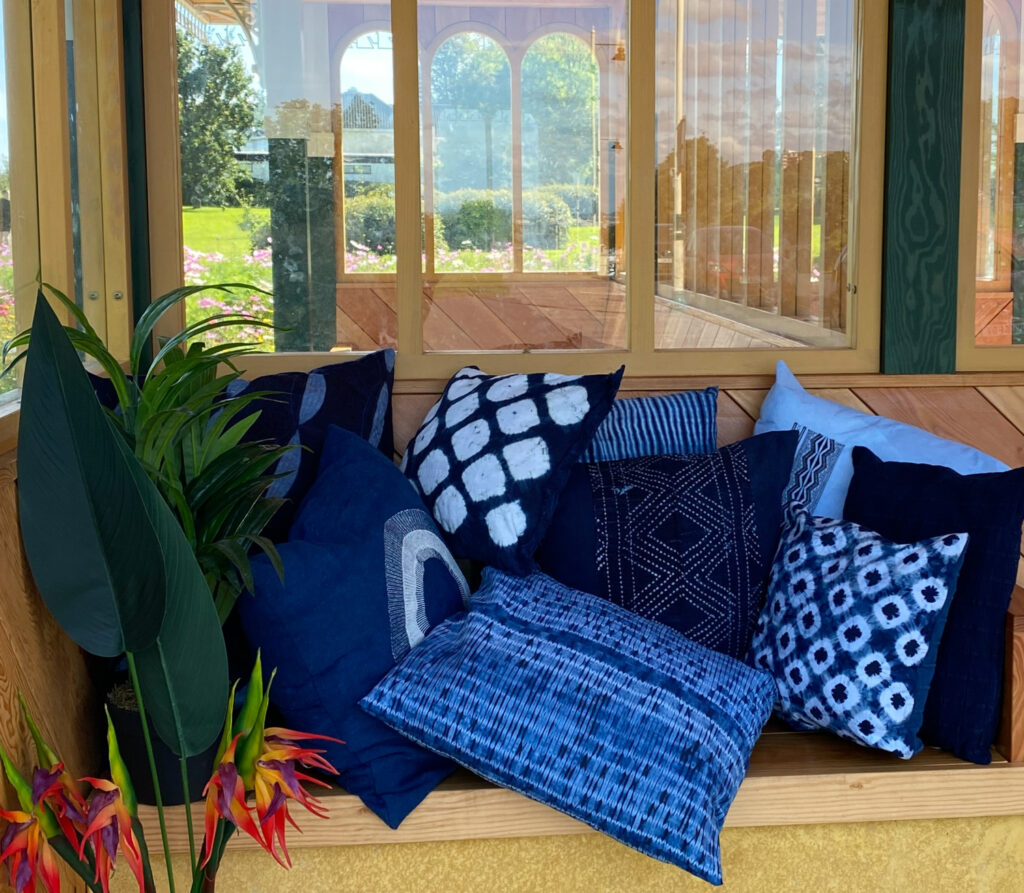
Soulful Indigo Dyeing
In this workshop, inspired by sustainability and the instructor’s de-colonial, anti-racist practice, you will learn to use and maintain nontoxic, natural indigo dyes suitable for plant and protein fabrics. We will experiment with traceably-sourced, hand-woven fabrics and textile waste; indigo-resist dyeing; and hand-cut stencils of students’ own design, creating patterned swatches and transforming them into beautiful, hand-stitched and embroidered cushion covers. All levels. This workshop takes place in a third-floor walk-up studio that has partial access by a stair lift.
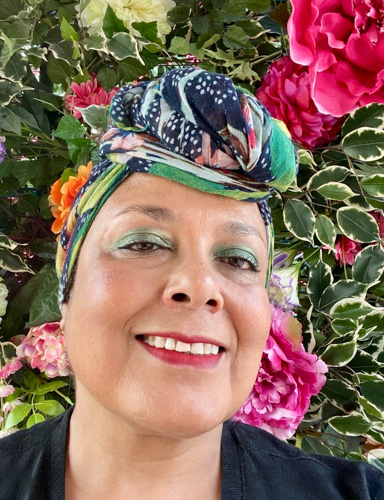
Research-based studio artist/educator; teaching includes: William Morris Gallery (UK), Ditchling Museum of Art + Craft (UK), Oriel Myrddin Gallery (UK); residencies/fellowships include: Churchill Fellowship (Nigeria) Leverhulme Fellowship (Jamaica), recent exhibition: “Ancestral Libations: Allegories of Honouring and Remembrance” at 105a Studios (UK)
lucillejunkere.com | @lucillejunkere
January 15 – Regular enrollment opens
TEXTILES/MIXED MEDIA – SUMMER SESSION 6
July 28-August 9, 2024 (11 STUDIO DAYS)
Kyoung Ae Cho
Mixed Media: Conversation with Nature
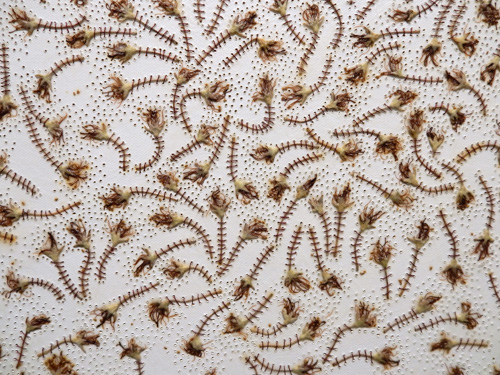
Paying close attention to the marks that time leaves behind in the environment, students in this workshop will explore ideas and expand their visual and conceptual language. We will use natural resources as well as found objects to create outdoor installations and objects in the studio. Through slideshows, discussions, demonstrations, and mini-exercises, students will be introduced to new ways of working and dealing with materials. Among other methods, we will use fiber handbuilding techniques such as looping, coiling, knotting, basketry, and stitching. This workshop is less of a how-to and more of an experience in discovery, questioning, and finding ongoing ways of working. All levels. Lower textiles studio. This workshop takes place in a second-floor walk-up studio that has partial access by a stair lift.
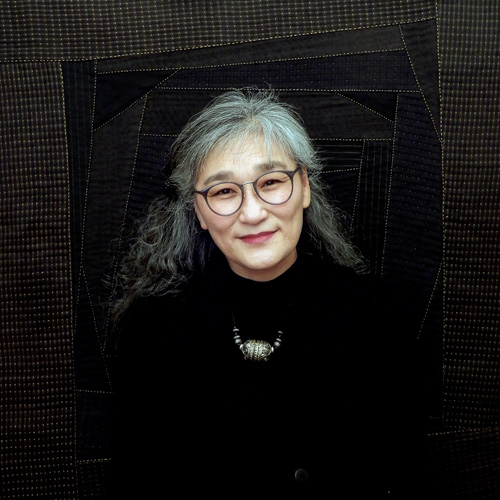
Professor at University of Wisconsin-Milwaukee; other teaching: Kansas City Art Institute, Haystack (ME), Penland; Pollack-Krasner Foundation Grant, Wisconsin Arts Board Fellowship; exhibitions: Lynden Sculpture Garden (WI), Muskegon Museum of Art (MI), North Carolina Museum of Art, Gregg Museum of Art & Design (NC), Sheldon Museum of Art (NE), Tweed Museum of Art (MN), Kemper Museum of Contemporary Art (Kansas City), John Michael Kohler Arts Center (WI), National Museum of Modern Art (Korea).
kyoungaecho.com
Kyoung Ae Cho videos
January 15 – Regular enrollment opens
WOOD/MIXED MEDIA– SUMMER SESSION 6
July 28-August 9, 2024 (11 STUDIO DAYS)
Annie Evelyn
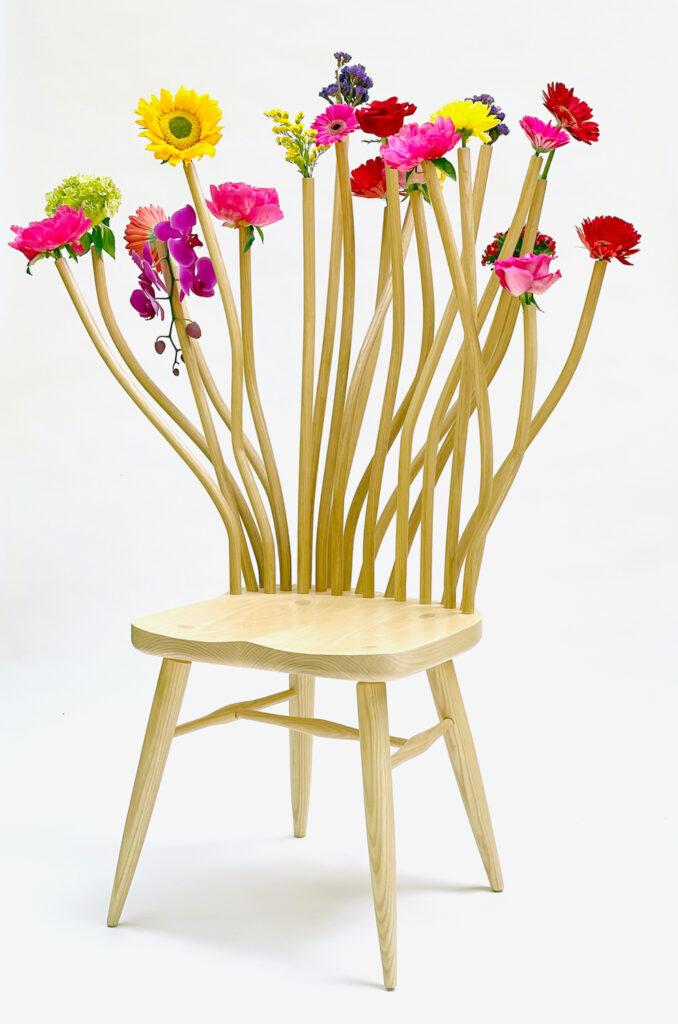
Interconnection: Not Just for Woodworkers
The wood class that’s not just for woodworkers! This introductory class is designed to help you incorporate a pre-existing object or material into a table or stool. Is it clay? glass? metal? wood? fiber? found object? Don’t have anything yet? We’ll find something when you arrive. The interconnection of two materials creates an exciting opportunity for creativity and problem-solving. You will learn to safely use the jointer, planer, table saw, bandsaw, mortiser, Festool Domino, router, and various hand tools. Class vibes: having fun, supporting each other, and celebrating accomplishments. All levels. Wood studio.
Assistant professor at Virginia Commonwealth University; development director and co-founder of Crafting the Future; residencies: Penland Resident Artist Program, Windgate Resident Artist at Indiana University of Pennsylvania, University of Wisconsin-Madison (WI), San Diego State University, Wornick Distinguished Visiting Professor at California College of the Arts; exhibitions: Center for Craft (NC), Tacoma Glass Museum (WA), Fuller Craft Museum (MA) Center for Art in Wood (PA).
annieevelyn.com | @annie_evelyn_furniture
January 15 – Regular enrollment opens
TEXTILES – SUMMER SESSION 7
August 11-16, 2024 (4 STUDIO DAYS)
Annabel Lowe Wrigley
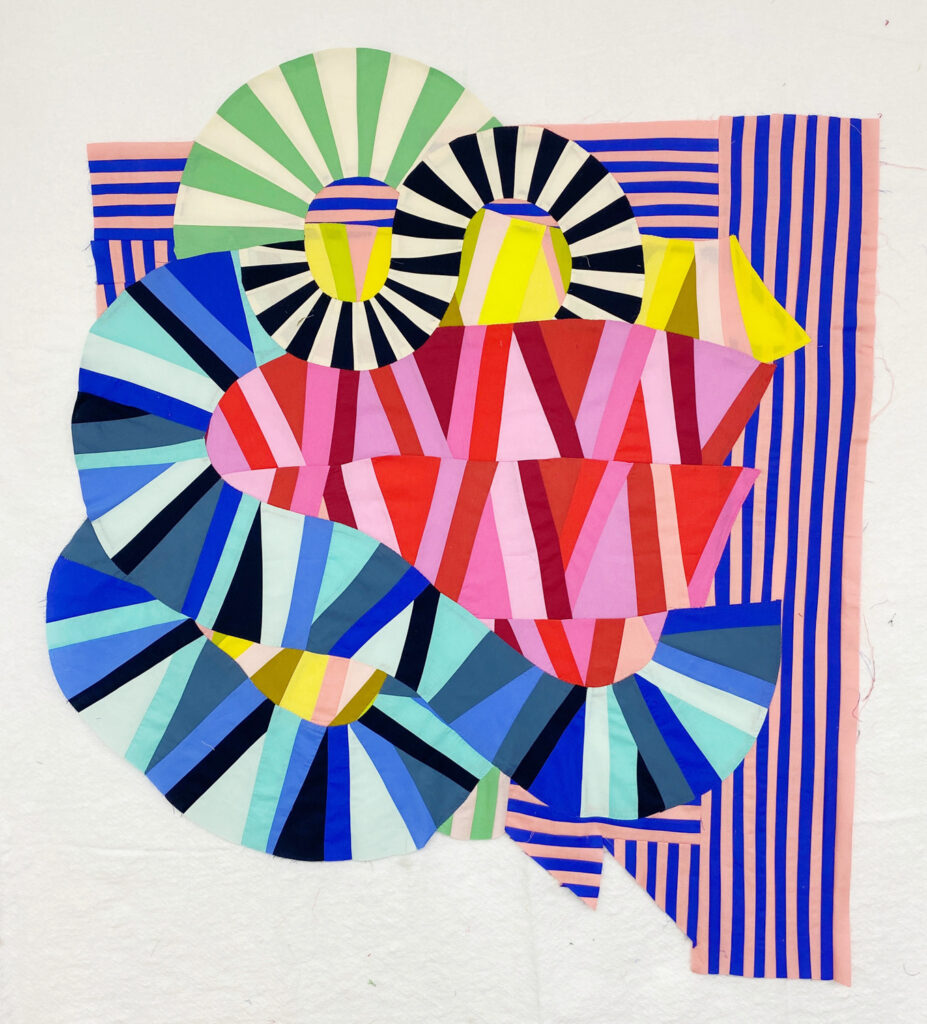
Improvisational Quilts
This workshop is all about color and the emotions that come from working with it. Using interesting and intuitive color combinations, students will explore different improvisational piecing techniques to create meaningful compositions. We will leave quilting perfectionism and perfect points at the door and dive into the beauty of creating interesting shapes and curves. Working with a selection of solid colored fabrics, students will focus on combinations that create emotion while experimenting with different piecing and construction techniques. We will explore finishing techniques and facing options for hanging. The goal is for each student to complete one piece. All levels. This workshop takes place in a third-floor walk-up studio that has partial access by a stair lift.
Textile artist; instructor of Creativebug online workshops (CA), teacher of workshops nationally and internationally; group and solo exhibitions at Almas RVA (VA); author of seven instructional sewing books including My Sewing Workshop and the We Love to Sew series.
annabelwrigley.com | @littlepincushionstudio
January 15 – Regular enrollment opens
TEXTILES – SUMMER SESSION 7
August 11-16, 2024 (4 STUDIO DAYS)
Francisco Bautista and Laura Bautista
Zapotec Weaving
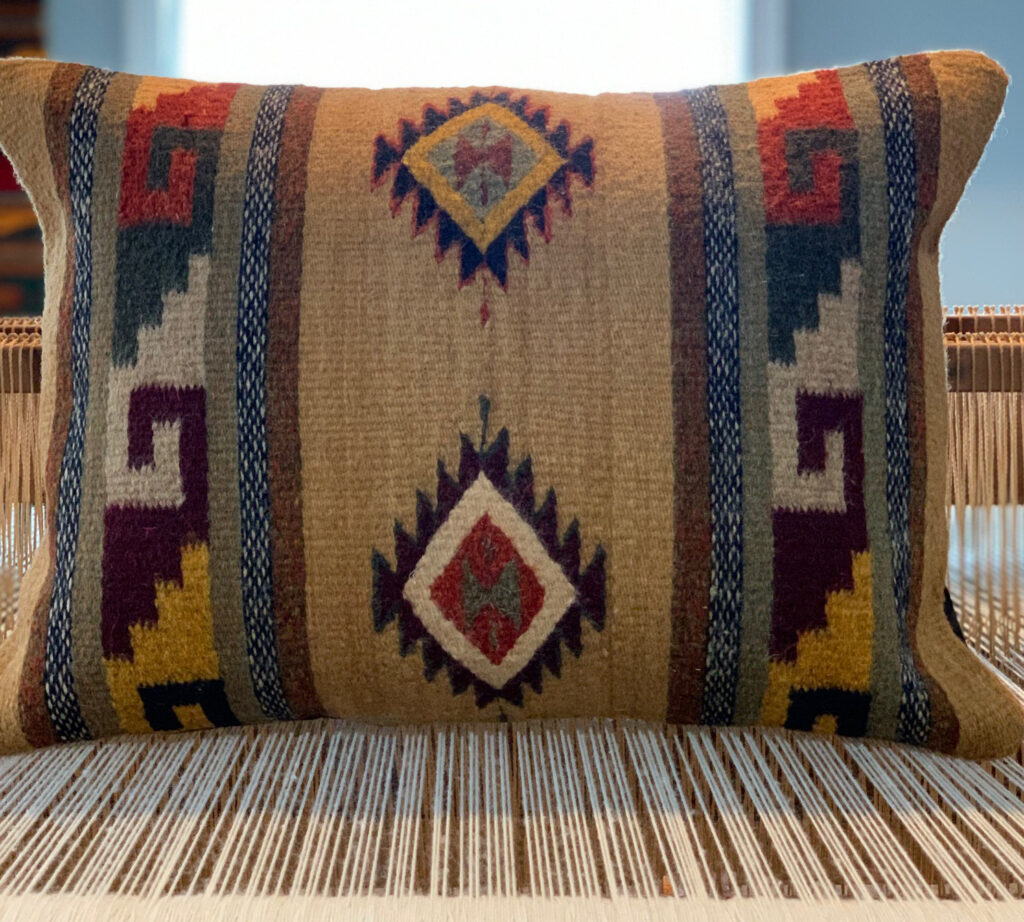
Students in this workshop will experience the beauty of crossing threads on a floor loom and creating motifs from the Zapotec culture of Mexico. The workshop will begin with some of the history behind our weaving traditions and techniques. Students will weave a traditional motif using various colors of their choosing. There will be daily demonstrations, discussions of historic and contemporary work, and some time for experimentation. We will also share how to make fringes. Although we will not be dyeing in this workshop, we will talk about our natural dyes. All levels. This workshop takes place in a second-floor walk-up studio that has partial access by a stair lift.
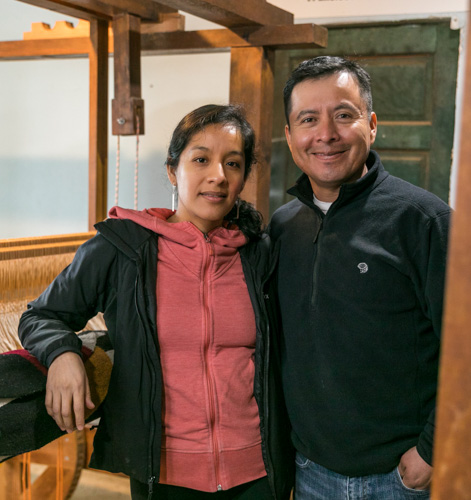
Francisco is a fourth-generation master weaver; originally from Teotitlán del Valle in Oaxaca, Mexico, Laura and Francisco now work together in Oregon; exhibitions: Smithsonian Craft Show (DC), Salem Art Fair & Festival (OR), BAM Arts Fair (WA), Sun Valley Arts and Crafts Festival (ID), Art in the High Desert (OR).
bautistaweaving.com | @francisco_laura_bautista
January 15 – Regular enrollment opens
TEXTILES – FALL SHORT SESSION
SEPTEMBER 22 – 27, 2024 (4 STUDIO DAYS)
Leigh A. Hilbert
Carry and Stow
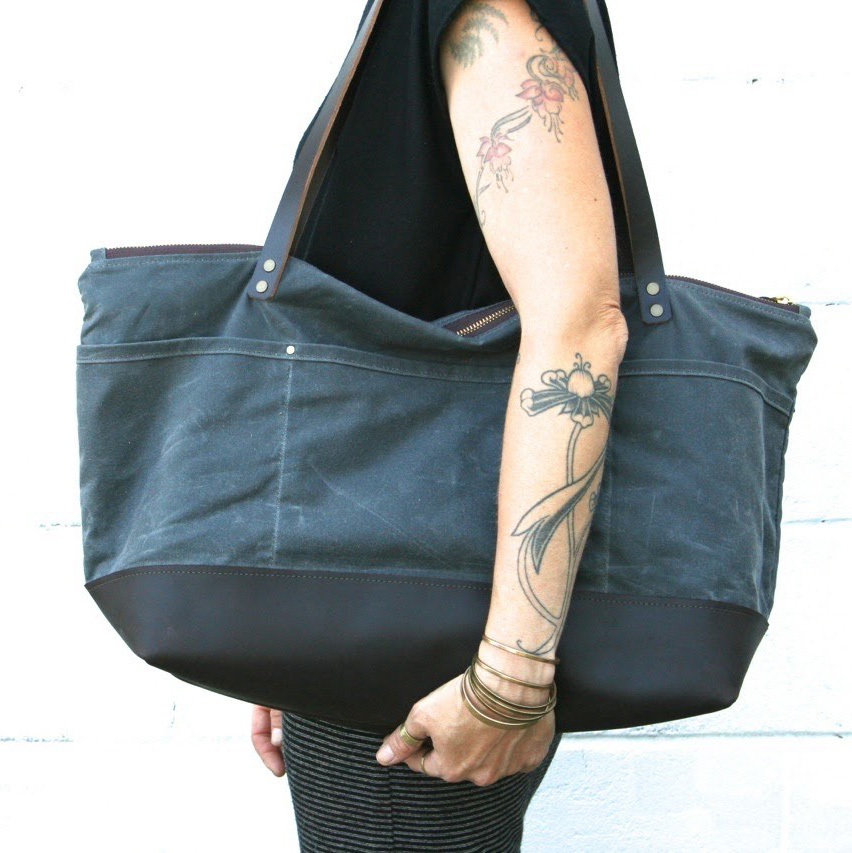
We are all bound by the particulars of the things we carry, and everyday carry will guide this engaging workshop. Each student will complete a sewn bag with lining, multiple pockets, zippered closure, hardware, and straps of their choosing. The project will be guided by the instructor, but individual details will make each bag cater to the needs of the user. Students will also complete a few small learning items, which, depending on skill level, may include a zip pouch, a dopp kit, a bucket bag, or simple tote. Beginning students will be walked through basic seams and stitches on the home machine, while more advanced students can have a go at the industrial machines, a variety of zipper insertions, trickier seam finishes and detailed constructions in their bag making. All levels. Upper textiles studio.
Note: This workshop takes place in a third-floor, walk-up studio made partially accessible by a stair lift.
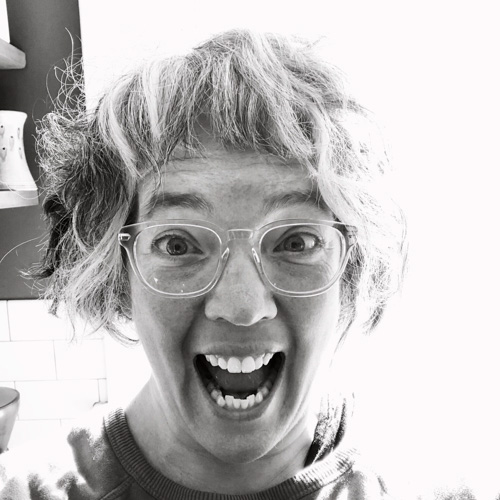
Studio artist; founder: Overlap Sewing Studio (NC), The Drygoods Shop (NC), Open Studio Patterns (NC); teaching: The Drygoods Shop (NC), AB Tech (NC), Penland, The Industrial Commons (NC), Open Studio Patterns (online), UC Berkeley (CA), Creativity Explored (CA); galleries: Tiny Gallery (CA), Valencia 240 (CA), Penland Gallery.
leighahilbert.com | @overlapsewingstudio
Enrollment opens May 1
TEXTILES – FALL CONCENTRATION
SEPTEMBER 29 – NOVEMBER 8, 2024 (6 weeks)
Amanda Thatch
Thinking with the Loom
Starting from the basics of planning a project and dressing the loom, we will explore how the loom can be a partner in thinking about structure, use, and meaning. We will learn about traditional patterns and learn to draft our own. We will study color interactions and use dye processes such as ikat, woven shibori, and warp painting to make ever more intentional choices about desired results. We will be working toward a sense of fluency with the loom so we can express our ideas with precision and confidently combine skills to create unique cloth. All levels. Lower textiles studio.
Note: this workshop takes place in a second-floor, walk-up studio that is made partially accessible with a stair lift.
Studio artist; teaching: Arrowmont (TN); KANEKO (NE), Peters Valley (NJ), University of Wisconsin-Madison (WI); residencies: Praxis Fiber Workshop Digital Weaving Lab (OH), Winterthur Museum, Garden and Library (DE), Alabama Chanin Studio (AL).
amandathatch.com | @amandathatch
Scholarship application deadline extended to April 19
Regular enrollment opens May 1